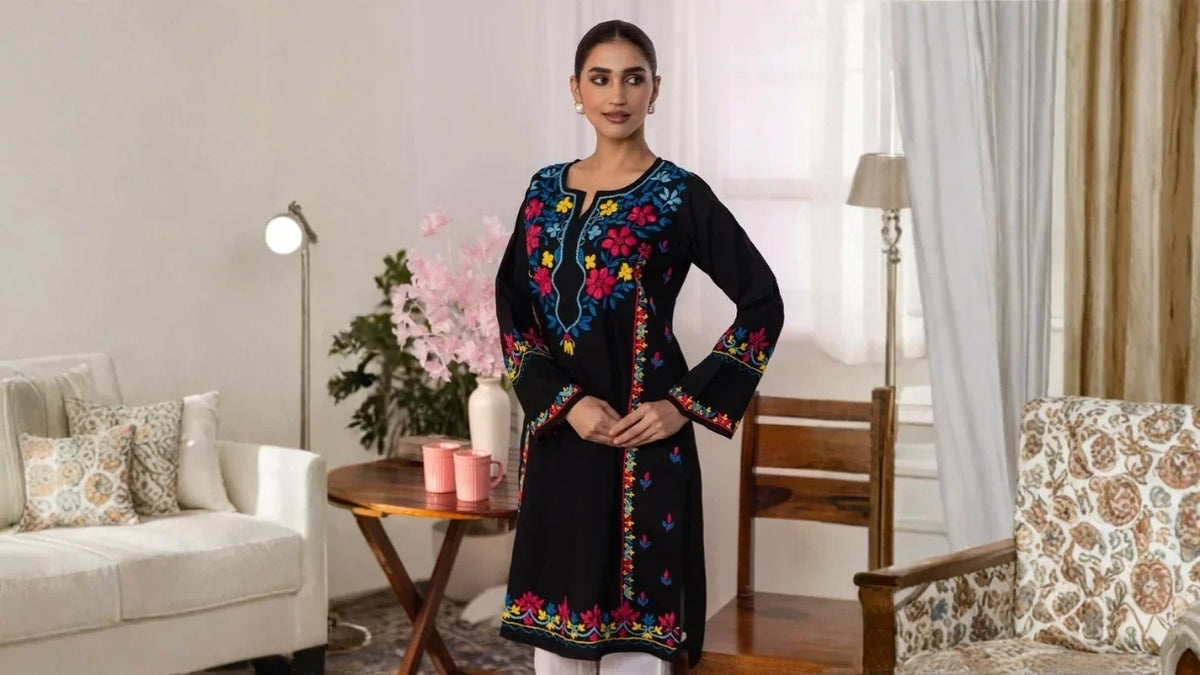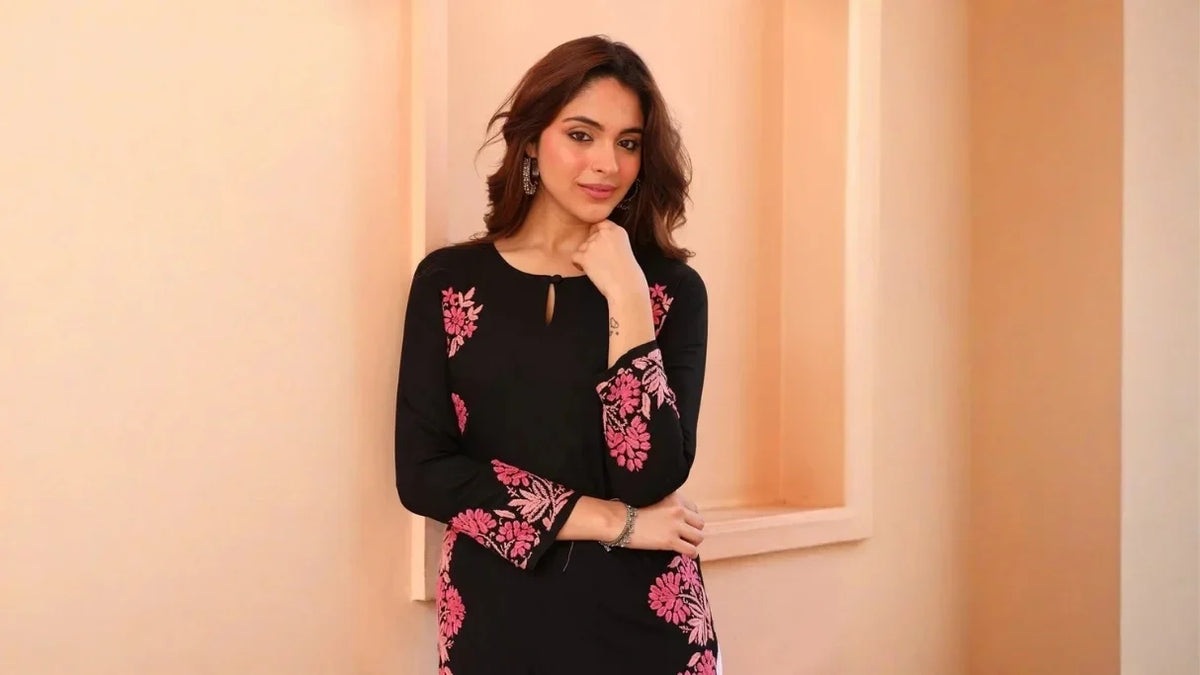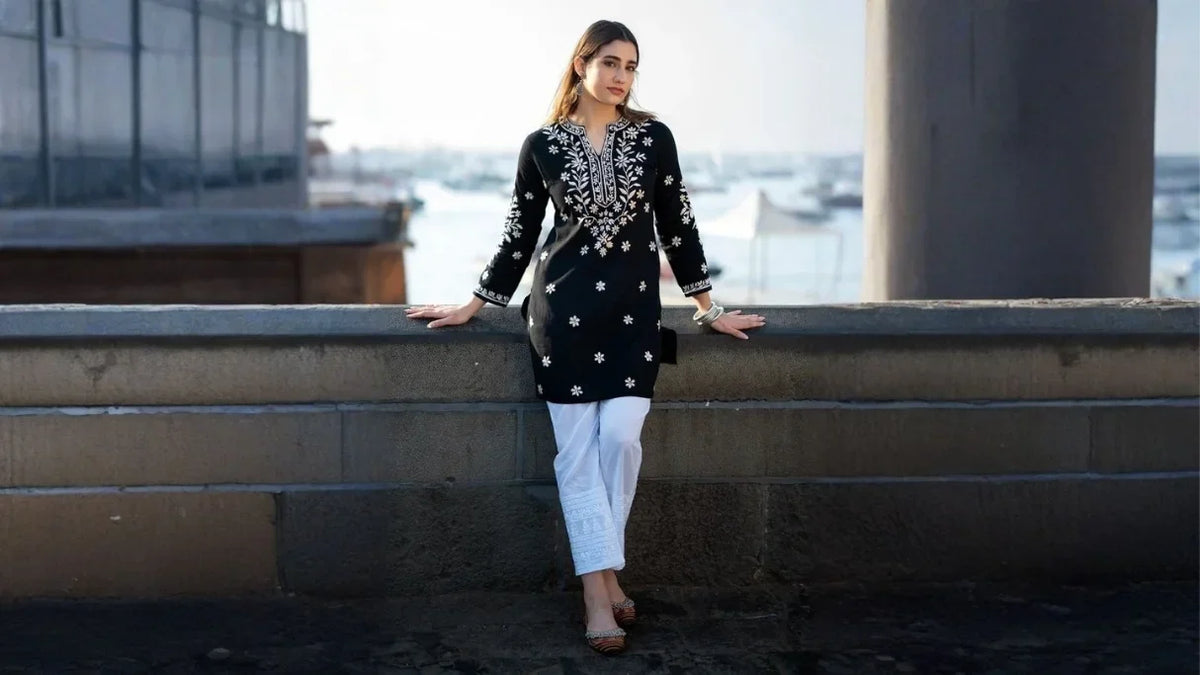
Lucknow Chikankari Work: Origin, Art and Traditional Motifs
This is one of the most elegant traditional embroidery varieties found in India. The work is known for its intricate stitches, florals, and is highly elegant. The crafting tradition of this form is from the city of Lucknow, Uttar Pradesh in India and is a tradition of its own.
Though Chikankari is not limited to traditional dresses anymore. It is also on trending kurtis, dress, co-ord sets, dupattas and fashion in general. However, there is a story behind every beautiful creation, and it is of skilled artisans, patience and Indian heritage.
Let us explore the history of chikan of this great city and the craft of a traditional Chikankari work and the most beautiful stitches and design of Lucknow Chikankari Work which are still ruling the modern fashion.
History of Lucknow Chikankari Work
No authentic history exists concerning the origin of Chikankari. But the art is closely linked with the history of Lucknow and the Mughal period. In some other traditions of its evolution, Chikankari is associated with Persian origins and the royal courts of India.
During the Mughal period, Chikankari gained popularity during the time of Empress Noor Jahan, wife of Mughal Emperor Jahangir. By then, Lucknow had established itself as a hub of this exquisite embroidery and home-grown artisans developed their own style and techniques.
In the beginning, Chikankari was embroidered primarily with a white thread on a white piece of cotton or muslin cloth. The subtle colors of embroidery enhanced the charm and appeal of the stitch work. Vegetative designs which included flowers, vines and leaves gained popularity.
With the evolving fashion, craftspeople improvised in handling various fabrics and used a wider hue range. Chikankari of Lucknow remains an integral aspect of India's fabric tradition and is celebrated for its exclusive craftsmanship.
How Is Chikankari a Handicraft?
What makes Chikankari unique is that it is not overly embroidered with any embellishments but uses stitches that come together in a style that looks intricate and sophisticated. Every stitch of artisan brings details to life.
The Process Normally Occurs in Two Main Steps
A design is printed onto the fabric through temporary ink and wooden blocks.
- Hand embroidery: Needle and thread are used to hand embroidery the design onto the print by our talented artisans.
- Washing and finishing: Then the fabric is cleaned to remove the printing marks and finished for use.
Each step needs nurturing and attention. The time is determined by the design, the fabric, and the embroidery; it could take years or a few hours to create the intricate pattern.
What makes each hand-made item so unique is the skill of the artisan. Hand stitching is beautiful because of the tiny differences from one stitch to the next.
Favoured Chikankari Traditional Stitches
Designs can be created using a range of textures and stitches. The traditional stitches used are:
- Tepchi: This is a simple running stitch that is used to outline designs and to create light designs.
- Bakhiya: This is sometimes known as shadow work because it leaves a subtle shading impression on the material. It is frequently used in floral design work.
- Phanda: A very small knot similar to a running stitch, used for example in flower center stitches or miniature motifs.
- Murri: It is a very small stitch, like a grain of rice, which will give the embroidery a textured and raised look.
- Jaal / Jali Work: This results in a very fine, netted look of the fabric. This requires laborious work and is very characteristic of Chikankari.
Use different stitches in one design and make pretty flowers, leaves, borders and more complex motifs.
Beautiful Chikankari Designs of India From All Over the World
Chikankari patterns are taken from nature. Flowers, leaves, vines, buds, and paisley are the traditional motifs of this embroidery.
The Most Popular Styles for Design Include
Floral designs: Flowers and small buds give a classy and classic look to the fabric.
Vine and leaf motifs: The leaf and vines flowing across kurtas and dupattas and sleeves.
White embroidery: White thread on white fabric creates a very delicate and sophisticated look. It is one of the most popular classic styles.
Jali patterns: The fabric is embroidered with delicate netted needlework for texture and detail.
Border designs: Embroidery designs on the sleeves, necklines, hems and dupattas as a border design give the appearance of a completely finished garment.
These designs can be simple or detailed with embroidery, depending on the stitching, the fabric and the placement of the embroidery.
Outfits With Stylish Chikankari: Lucknow Chikankari in Modern Day Style
Chikankari has kept pace with changing fashion trends but still remains the splendour of a heritage art. Today, designers have started using this embroidery art on cotton kurtis, festival suits, long skirts, shirts, dupattas and contemporary garments.
A light cotton Chikankari kurta makes for an ideal daily wear; whereas, a detailed embroidered kurta set makes for a wonderful choice for family functions and other festivals. Chikankari dupattas also make for great additions to simple and plain outfits.
The trend for white and pastel hues continues but the contemporary forms and colour choices for the material make Chikankari suitable for various predilections.
Choose Chikankari outfit by fabric, stitch details, comfort and occasion. The right combination can make you enjoy this traditional craft in regular and special occasions.
Help Chikankari Artisans
Chikankari is not a passing trend. It represents the craft and tradition that has been passed down from one craftsman to the next generation. Hand sewing is a skill that requires patience, practice and a good command of numerous styles.
Purchasing genuine handmade work helps us to place a value on the time and effort it takes to make these items. It also helps to preserve the old skills of needlework.
Chikankari of Lucknow was registered as a Geographical Indication (GI) in 2008 which classifies the craft with Lucknow and recognizes the contribution of the craft in India's iconic textile heritage.
If consumers know the art and choose consciously to own well-made goods, they can recognize the people and skills that contribute to embroidery.
Final Thought
The Lucknow Chikankari art is a blend of history, traditional skill and timeless motifs. From beautiful floral designs to delicate Jali work, each technique brings beauty and individuality to the fabric.
Even as Chikankari keeps pace with the new age trend, it continues to be an integral part of the cultural legacy of Lucknow. By understanding its history and traditional stitches, we can regard it as much more than just ornamentation. It is a special Indian craft, crafted with craftsmanship, care and creativity.
Frequently Asked Questions
What is Lucknow Chikankari?
Lucknow Chikankari is the centuries-old hand embroidery art of Lucknow known for its delicate work of threads and flowers.
What is the history of Chikankari embroidery?
Chikankari is profoundly related to history of lucknow in addition to the mughal's period. Its precise origins have not yet been documented but it has become a popular traditional art.
The stitches used in traditional chicankari are what?
What are the stitches of a common thing? Let's see some common stitches- Tepchi, Bakhiya, Phanda, Murri and Jali work. Let's see what image of Each type of stitch that gives different work –
What types of fabrics are used for Lucknow Chikankari?
Usually all type of best chikankari are made on cotton, muslin, georgette, chiffon and suitable cloths.
Why is Lucknow for Chikankari?
Hand embroidery, floral motifs, craftsmanship and the association with culture and history of Lucknow are some of the specialities of this.