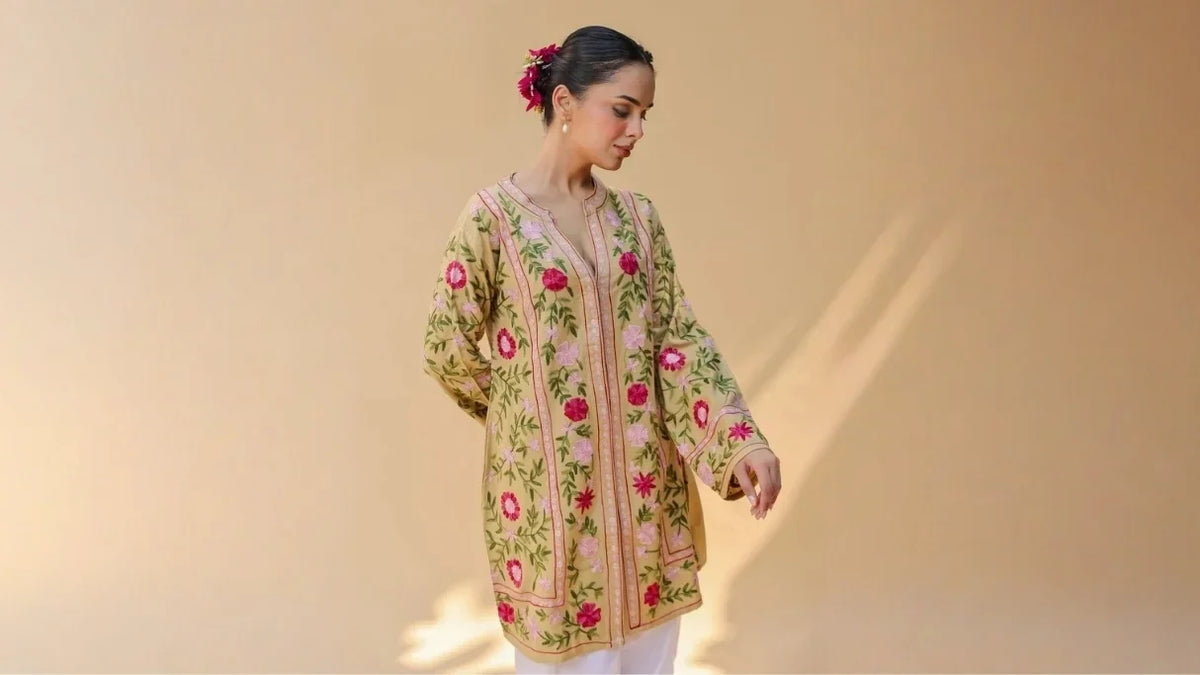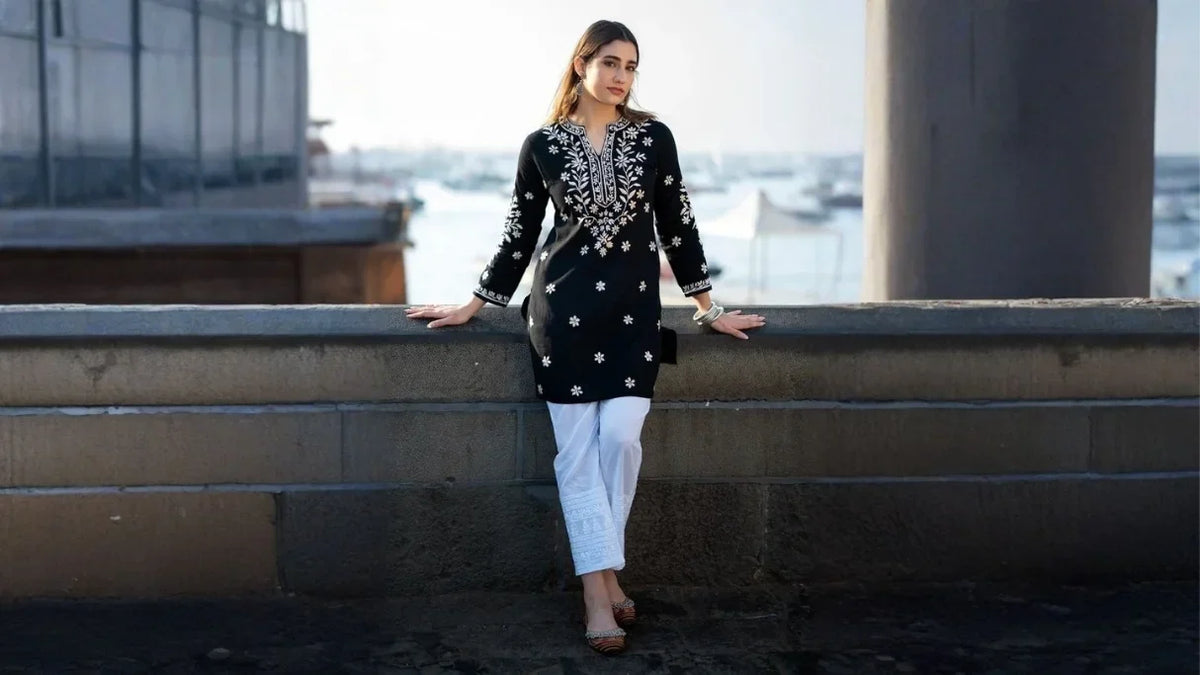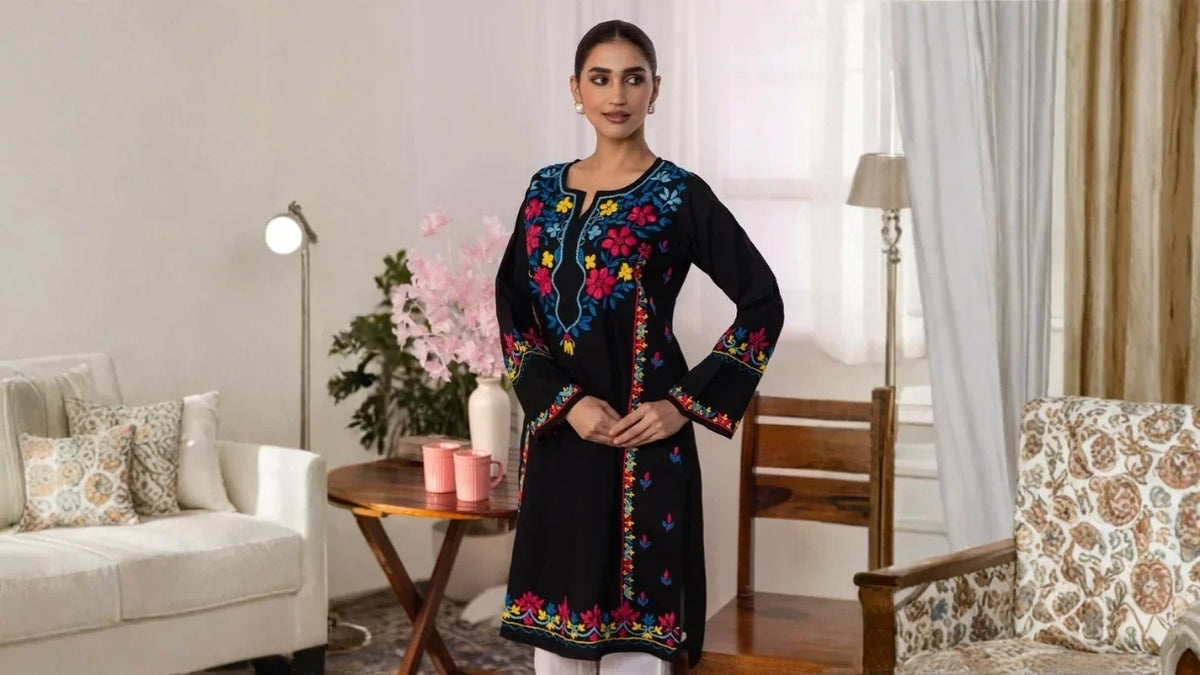
Chikan Embroidery – History, Techniques and How It's Done
Chikan Embroidery is most beautiful traditional embroidery of India. This art of embroidery was popular amongst the people for the intricacy, fine stitches and the delicate appearance of its embroidery. It enhances the look of kurtis, dupattas, suits, sarees and other ethnic wears.
You might admire how much effort and work has gone into each embroidered design by not only learning about chikan embroidery from traditional Indian dress, but about handcrafted textiles too.
In this article, we will introduce you to the history of Chikankari, the different types of embroidery, how the process is executed and how you can style your Chikankari outfits.
Guide to Chikan Embroidery
Chikan embroidery? (Chikankari) Chikan embroidery, 'Chikankari' is a type of hand embroidery that originated from Lucknow, Uttar Pradesh. This art form uses different stitches to decorate fabric creating a beautiful design and the thread can be any fabric, coloured or even white.
Chikankari embroidered designs are often floral motifs, leaves and vines and geometric patterns. Embroidery in white thread on very light fabric is uncomplicated and classic and is a perennial favorite.
Currently, Chikankari fabric is sewn into both traditional and modern dresses. The embroidery fabric can be used on a variety of occasions and individual choices ranging from casual cotton kurtis to celebratory suit sets.
The History of Chikankari Embroidery
The long history of chikankari is integral to the cultural history of Lucknow. It was derived through hundreds of years of expert artisans learning the art of needlecraft in the family.
Lucknow was the celebrated producing place of the needlework and its fragile designing gave Chikankari a position of infamy in India.
In the past, individual creators would go through thousands of stitches on hand, in various styles, to make a coterie of threadwork designs for cotton, muslin and other materials.
Chikankari remains a prominent part of Indian Clothing today. Integrating classical craftsmanship with modern trends, it suits informal and formal occasions.
Top Chikan Embroidery Methods
Chikan embroidery contains a multitude of stitches and produces of a range of different textures and appearances. Here are some common methods that are in frequent use.
1. Tepchi Stitch
Tepchi is a simple running stitch which is used to define shapes and make fine lines. It is also often used as a foundation stitch to create other embroidered patterns.
2. Bakhiya Stitch
Bakhiya, also known as shadow work, is popular for providing a beautiful shadow look to textiles. The stitch is commonly found in floral and leafy motifs, providing a lovely shading effect without adding bulk to the stitching.
3. Phanda Stitch
Phanda is a small knot stitch and it is used to provide a raised decoration appearance. It is used to add small decorative touches to flower centers and other small design features.
4. Murri Stitch
Murri is a stitch that resembles grains. Used for tiny, raised floral motifs; it requires time, patience, precision (the stitches are small and tight).
5. Jali Work
Jaali method provides the fabric with a intricate net like touch They are then sewed by artisan hands making microscopic spaces, without disrupting the overall tissue.
You can combine these techniques in one design to achieve detailed and textured designs.
How to Do Chikan Embroidery?
A Chikankari garment goes through several processes of making. These are the steps involved in traditional hand embroidery process, regardless of pattern and materials:
Step 1: Picking Your Cloth
The craftsman or the designer takes another fabric, like muslin or georgette, or any other if he prefers, which is the main fabric for the outfit.
Step 2: Creating the Product Design
The design is made in the preferred style: floral, foliage or geometric. Sometimes traditional motifs are complemented by more delicate floral motifs.
Step 3: Pattern Transfer
Then the pattern is transferred to the fabric usually by printing to guide the needle worker.
Step 4: Embroidery by Hand
The design the artist carefully work the pattern using the necessary stitches. This step may be slow and also a time-consuming process, and requires skills based on the design to be created.
Step 5: Finish and Wash
The embroidery has been completed, any marks made during printing are trimmed out and the fabric is cleaned and finished ready for stitching up or display.
Step 6: Making the Clothes
Based on pattern, embroidered material is cut and stitched into a kurti, suit, saree or any other garment.
The completed piece displays the intricacy that went into making the embroidery.
What Fabric Is Used in Chikan Embroidery?
Chikankari can be embroidered on various fabrics, according to the effect or outcome you want to achieve.
- Cotton: a comfy solution for casual kurtis and summer wear.
- Muslin: A lightweight fabric, was used in the past for intricate needlework.
- Georgette: Used often for garments that have a flow and dressier styles.
- Chiffon: perfect for feeling light dupattas as well as on special occasion wear.
- Silk blends are sometimes used in dressier items for a more luxurious appearance.
When you are choosing a Chikankari dress, bear in mind fabric, season, event and stage of comfort required.
Chikankari Outfits Styling
Chikankari is the most flexible fabrics around. There are innumerable designs for it, and yet the charm of the fabric is always retained.
For casual: A cotton Chikankari kurti along with straight palazzos, leggings or easy trousers is an excellent casual look. It is accessorized with flat chappals and delicate jewelry.
For the office: Choose a well-fitted embroidered kurti in a soft color. Style with fitted trousers, comfy shoes and subtle jewelry for a polished look.
For Festive Occasions: Match a detailed Chikankari suit with matching footwear, earrings, and a coordinated dupatta.
How to get a casual Ethnic look To get a comfy Indo-western get up. Team up a light embroidered kurti with jeans.
The master-stroke is not embroidering too much and keeping the bling to the minimum to complement the fine craftsmanship.
Tips to Take Care of Your Chikankari Outfits
If you look after your embroidered goods, they will last longer.
- Check the tag on the garment for care instructions before washing.
- If allowed, wash fragile articles by hand very carefully.
- Don't rub vigorously or use chemicals.
- If fabric is okay, dry embroidered items well away from harsh direct sunlight.
- Keep fragile clothing in a clean and dry area.
- Use a low setting when ironing, if needed, being cautious to avoid directly pressing on the embroidery.
Items that are extensively embroidered or particularly fragile may benefit from professional cleaning.
Chikan embroidery is not merely a design. It is a reflection of the talent, patience and well-established tradition of Indian artisan skill. From sweeping stitches to subtle Jaali work, each style makes Chikankari attire even more captivating.
Chikankari provides a chic option to experience Indian traditional design in case you love sporting cotton kurtis on an everyday basis or embroidered dresses for a special event.
Are aware of their background, methods and care they should be able to make more informed decisions when buying or wearing these beautiful objects.
Frequently Asked Question
What Is the Difference Between Chikan Embroidery and Chikankari?
Chikan Embroidery is the same old craft of embroidery which is associated with Lucknow, Uttar Pradesh.
What Type of Cloth Is Used for Chikan Embroidery?
Cotton is a preferred material for wearing on an ordinary day as it is soft and breathable.